
Friday, 29 March 2024 16:49
Understanding LGV and HGV Licences: A Comprehensive Guide
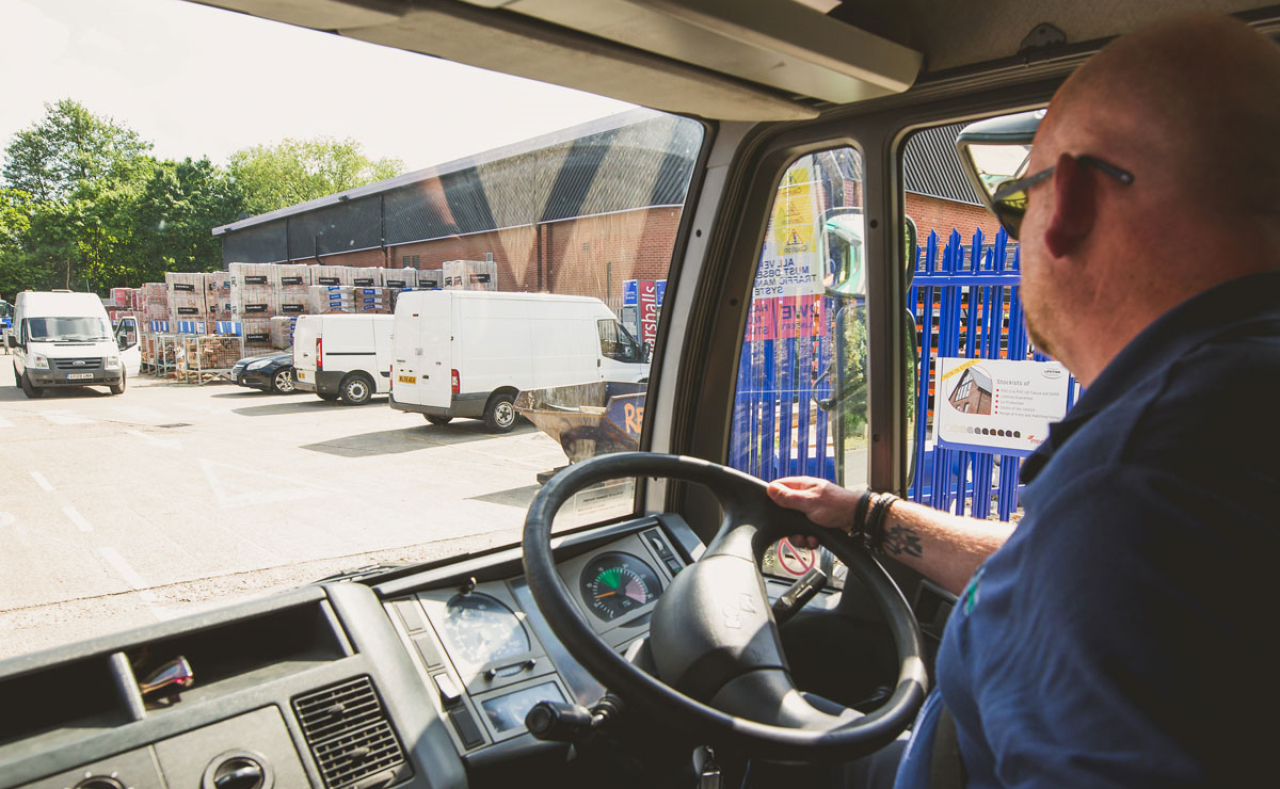
Navigating the world of commercial driving licences can be a complex process. With acronyms such as LGV (Large Goods Vehicle) and HGV (Heavy Goods Vehicle) often used interchangeably in conversation, it's crucial to understand the distinctions not only to remain compliant with regulations but also to ensure you're qualified for the right job opportunities. This blog post aims to demystify these terms, shedding light on the differences between LGV and HGV licences, and guiding aspiring drivers, commercial vehicle operators, and driving instructors.
The Foundations of LGV and HGV Licences
Before we deep dive into the distinctions, it's important to establish a fundamental understanding of what these licences are. Traditionally, the term HGV was predominantly used in the UK to refer to vehicles designed to carry heavy loads. However, with European Union regulations blending into UK law, the term LGV has become equally commonplace, creating some confusion.
What is an LGV Licence?
An LGV licence permits the holder to operate Large Goods Vehicles weighing over 3,500kg. These vehicles are typically used for commercial purposes, such as transporting goods and materials. The LGV category is further divided into two distinct classes:
- Category C1: Allows you to drive vehicles between 3,500kg and 7,500kg (with a trailer up to 750kg).
- Category C: Enables the driver to operate vehicles over 3,500kg (with a trailer up to 750kg) without the upper limit of 7,500kg imposed by Category C1.
What is an HGV Licence?
In contrast, an HGV licence is tailored for those who intend to drive Heavy Goods Vehicles weighing over 7,500kg. It’s designed for the largest commercial vehicles on the road. The default understanding of an HGV licence corresponds to what is officially referred to as a Category C licence in legal terms. This qualification opens the doors to driving a broader variety of heavier and more complex vehicles.
Key Differences Between LGV and HGV Licences
While the terms LGV and HGV are often thought to cover the same grounds, their differentiation lies in specific details regarding vehicle weight, training requirements, and licence categories.
- Vehicle Weight Classification: The most apparent difference stems from the weight of the vehicles each licence pertains to. LGV licences encompass vehicles from the threshold of 3,500kg, suitable for lighter commercial use, while HGV licences are concerned with vehicles over 7,500kg, catering to heavier transportation needs.
- Eligibility for Vehicle Operation: While LGV licence holders are limited to driving lighter commercial vehicles, holders of an HGV (or Category C) licence are eligible to drive both LGVs and heavier HGVs. This added flexibility makes the HGV licence a more comprehensive certification for commercial driving.
- Training and Testing Rigour: Given the larger size and the complexity of vehicles HGV licence holders are permitted to operate, the training and testing for an HGV licence are inherently more demanding. Candidates must demonstrate adeptness in manoeuvring heavier vehicles, understanding specific road safety considerations, and mastering vehicle maintenance knowledge.
- Age Requirements: Generally, the legal age to obtain an HGV licence is higher than that for an LGV licence, reflecting the greater responsibility and skill needed to safely operate heavier vehicles.
Which Licence Should You Pursue?
The choice between pursuing an LGV or HGV licence depends on your career aspirations, the types of vehicles you intend to drive, and your readiness to undergo rigorous training. For individuals looking to enter the commercial driving field with a view towards lighter vehicle operation, beginning with an LGV licence could be the ideal step. Conversely, those aiming for a more versatile qualification that includes operating the heftiest of vehicles on the road might find the HGV licence more aligned with their goals.
The distinction between LGV and HGV licences is nuanced but significant, impacting the types of vehicles one can legally operate, the extent of training required, and ultimately, the breadth of job opportunities available. Irrespective of the path chosen, obtaining either of these licences marks the beginning of a rewarding career in commercial driving, offering a tangible way to contribute to the backbone of trade and commerce. Remember, regardless of whether you're steering towards an LGV or HGV licence, the road ahead is paved with opportunities.
Published in Automotive
- 5 Essential Tools for Your Online Marketing Growth Written on Sunday, 16 March 2025 10:57

Growth and scaling are crucial factors for every business, especially online businesses. To scale effectively, you must establish a strong online presence, engage with your audience on social media, and leverage growth hacking techniques. Growth hacking is a marketing strategy focused on rapid experimentation and data-driven decision-making to increase user acquisition and engagement.
- Fencing Materials - Cost vs. Durability Written on Thursday, 16 January 2025 15:40

When planning a new fence installation, property owners often find themselves at a crossroads: should they prioritize upfront costs or long-term durability? This comprehensive analysis explores how various fencing options stack up in terms of initial investment versus longevity, helping you make an informed decision that aligns with both your budget and long-term property goals.
- How to Choose the Best Mobile Apps for Boosting Productivity? Written on Friday, 28 February 2025 15:27

In the digital age, mobile apps have become an integral part of everyday life. They not only facilitate communication but also help organize work, manage time, and increase efficiency. However, with the vast selection of apps available, choosing the best tool can be challenging. Comparison platforms such as CompareNow assist users in quickly finding solutions tailored to their needs.
- Traditional Bath Rituals - A Journey to Relaxation
 Written on Wednesday, 22 January 2025 12:47
A traditional bath is more than a place to cleanse; it’s a ritual that embodies relaxation, rejuvenation, and cultural heritage. From the calming steam rooms to the invigorating scrubbing rituals, every aspect of the traditional bath is designed to nourish both body and mind. Searching for a Turkish bath near me allows you to experience the timeless charm of this practice and its profound wellness benefits.
- Top Reasons to Book a Luxury Yacht Charter Today
Written on Wednesday, 22 January 2025 12:42
A luxury yacht charter represents the pinnacle of travel experiences, combining elegance, adventure, and exclusivity. Whether for a family vacation, romantic escape, or group celebration, this mode of travel provides unmatched freedom and comfort. Here are the top reasons why you should consider booking a luxury yacht charter today.
- Introduction to Chemical Dosing Pots
Written on Wednesday, 08 January 2025 13:59
Chemical dosing pots play a vital role in heating and cooling systems, allowing precise injection of chemical agents. These devices are essential for systems that require water quality control, corrosion prevention, or scale removal.
- Discovering Polish genealogy and rmbracing Polish heritage
Written on Sunday, 22 December 2024 16:25
Polish genealogy and heritage hold a special place for millions of individuals around the world seeking to reconnect with their ancestral roots. Poland, with its rich and complex history, offers a fascinating backdrop for genealogical exploration and cultural discovery.
- Printed Shirts
Written on Wednesday, 27 November 2024 12:40
Printed shirts have become a staple in contemporary fashion, transcending age, gender, and style preferences. Whether it’s a casual day out, a formal event, or a fun gathering with friends, printed shirts offer versatility and personality. This article explores the various aspects of printed shirts, including their history, types, and their significance in modern wardrobes.
- Top Reasons to Book a Luxury Yacht Charter Today


© 2025 by Webrivag. All rights reserved.