The Real Cost Equation
The true cost of fencing extends far beyond what you pay on day one. Selecting the right materials for fencing involves careful consideration of multiple factors beyond just price tags. While budget-conscious homeowners might gravitate toward less expensive options, savvy property managers understand that durability, maintenance requirements, and replacement frequency dramatically impact the total lifetime expenditure.
A fence that costs half as much but needs replacement in 7 years may ultimately prove more expensive than a premium option with a 25-year lifespan. This cost-benefit analysis becomes particularly relevant in regions with extreme weather patterns, where environmental stressors accelerate material degradation.
Wood Fencing - Traditional Appeal with Maintenance Considerations
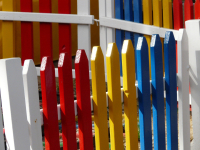
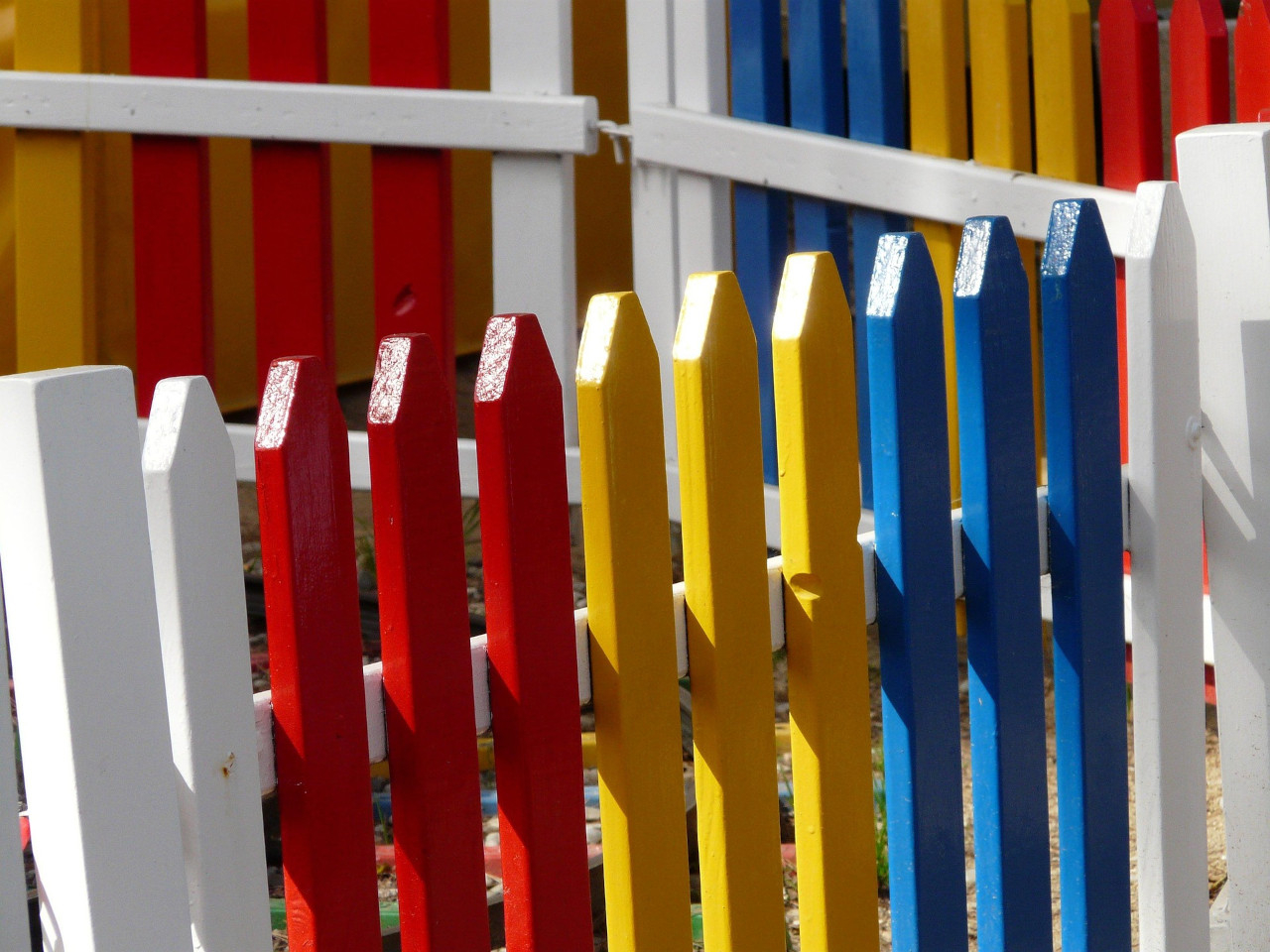
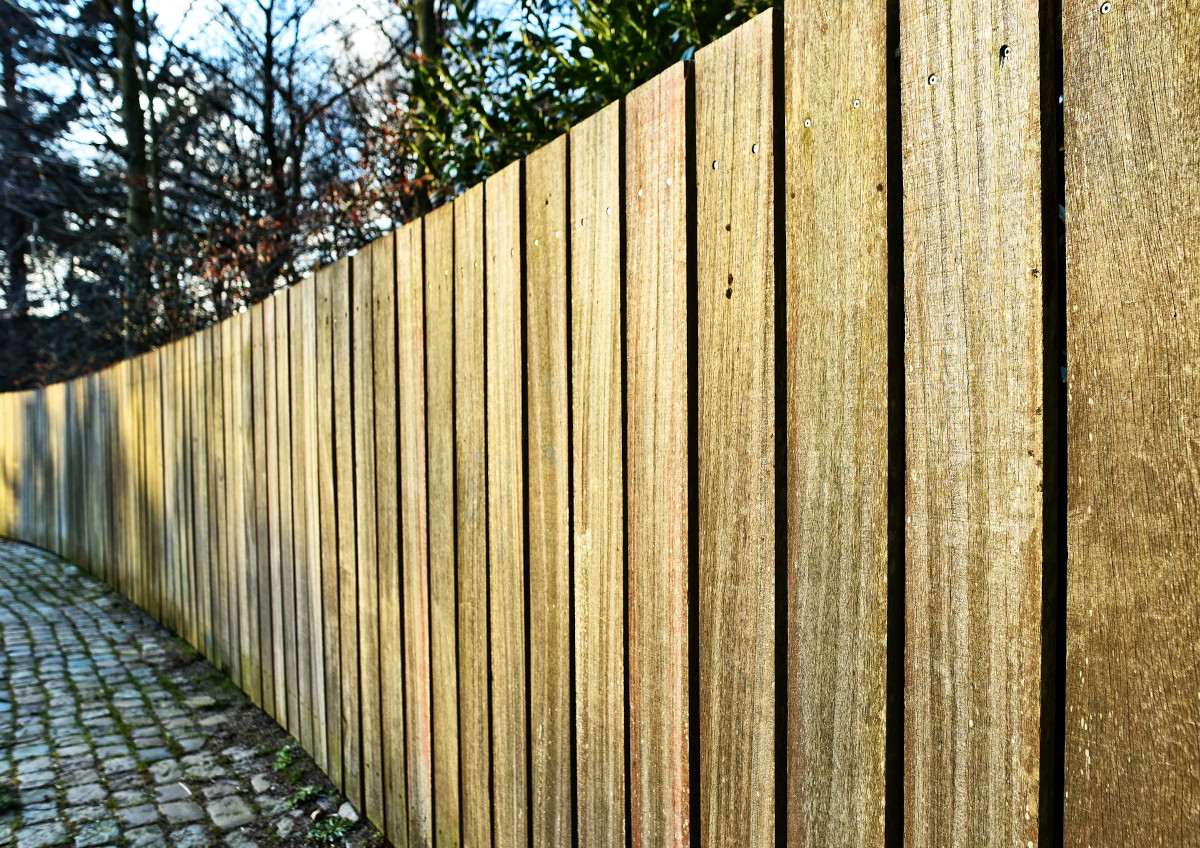
Wood remains one of the most popular boundary solutions, offering unmatched natural aesthetics and reasonable upfront affordability. Cedar and redwood varieties provide natural resistance to insects and decay, while pressure-treated pine offers enhanced protection against moisture damage.
The initial investment for wood fencing typically ranges from $15 to $30 per linear foot, depending on wood quality and design complexity. However, wood requires regular maintenance—staining, sealing, and occasional board replacement—which adds to its lifetime cost profile. Even with diligent care, most wooden structures last between 10-15 years before major renovation becomes necessary.
Some homeowners find this maintenance schedule acceptable given wood's warmth and design versatility. Others discover that the ongoing time and financial commitment exceeds their expectations, especially in humid or termite-prone environments.
Vinyl Fencing - Low Maintenance Meets Moderate Durability
The vinyl fencing market has expanded dramatically over the past decade, with manufacturers developing increasingly sophisticated products that mimic traditional materials. Modern vinyl options resist fading, cracking, and warping far better than earlier generations.
At $20-$35 per linear foot installed, vinyl represents a mid-range initial investment. Its primary advantage lies in minimal maintenance requirements—typically just occasional cleaning with household detergents. Most quality vinyl products carry warranties of 20-30 years, though actual performance varies based on manufacturing quality and environmental conditions.
The boundary protection industry has witnessed significant improvements in vinyl formulations, with UV inhibitors and impact modifiers enhancing performance. Nevertheless, extreme temperature fluctuations can still affect structural integrity over time, particularly in regions with harsh winters or intense summer heat.
Metal Options - Premium Investment for Maximum Longevity
Metal fencing encompasses several distinct categories, each with unique cost-durability profiles:
Aluminum fencing provides excellent corrosion resistance and typically costs $25-$40 per linear foot. With proper powder coating, these structures can maintain their appearance for 30+ years with minimal maintenance beyond occasional washing.
Steel and wrought iron represent premium options ($40-$100+ per linear foot) that offer unmatched strength and security. While susceptible to rust without proper treatment, high-quality galvanized and powder-coated steel fences can last 50+ years with periodic touch-ups to damaged areas.
The perimeter security sector continues to innovate with advanced coating technologies that extend metal fence lifespans even in coastal environments where salt exposure traditionally accelerated corrosion.
Chain Link - Economical but With Aesthetic Limitations
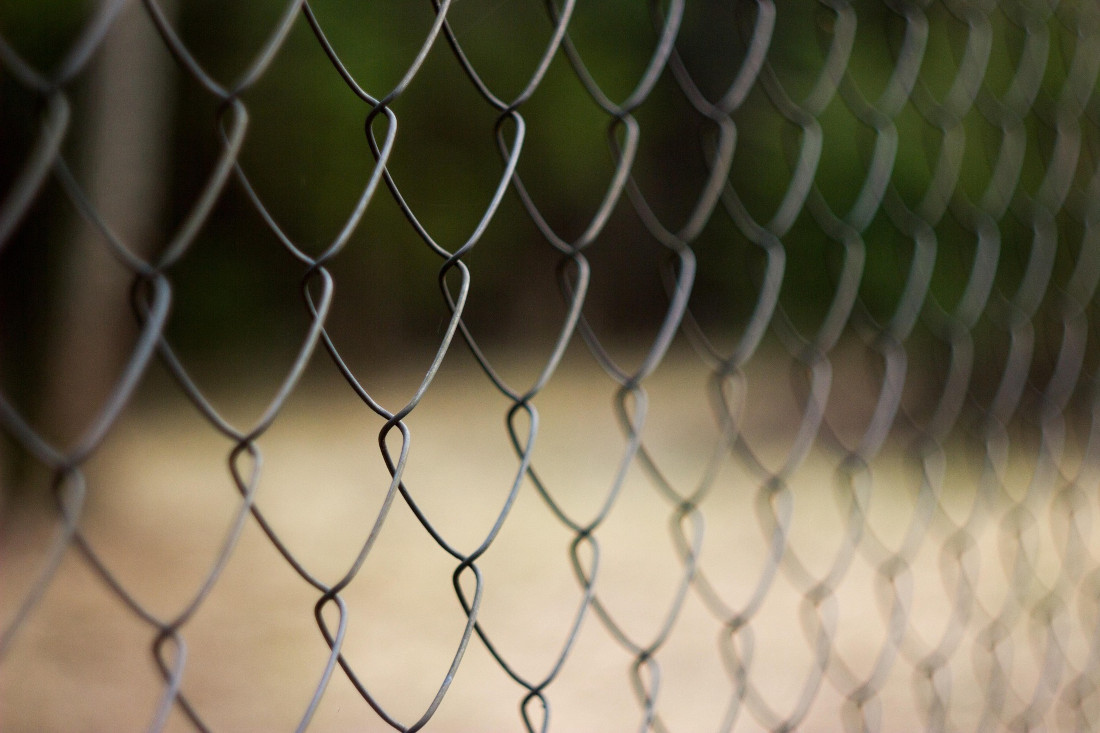
Chain link remains the most economical barrier solution, with basic galvanized options starting around $10-$15 per linear foot. Vinyl-coated varieties improve both appearance and durability at slightly higher price points.
While lacking the aesthetic appeal of other materials, chain link offers remarkable durability, often functioning effectively for 20+ years with minimal maintenance. This cost-effectiveness makes it particularly suitable for large properties where boundary marking rather than privacy or decoration is the primary concern.
Recent innovations include decorative inserts and color options that somewhat mitigate chain link's utilitarian appearance while maintaining its cost advantage.
Composite Fencing - The Emerging Contender
Composite materials—typically made from recycled wood fibers and plastic polymers—represent the newest category in the fencing landscape. At $25-$45 per linear foot installed, composite fencing positions itself as a premium option that promises the aesthetic appeal of wood without its maintenance drawbacks.
These engineered products resist rot, insects, and warping while maintaining a natural appearance that vinyl products struggle to match. Most manufacturers offer 20-25 year warranties, though the relatively recent market emergence means long-term performance data remains somewhat limited.
Property owners particularly concerned with sustainability often gravitate toward composite options, appreciating their recycled content and reduced maintenance chemical requirements. The manufacturing process continues to evolve, with newer generations offering improved color retention and structural stability.
Regional Considerations That Impact Material Performance
The ideal fencing material varies significantly based on local climate conditions. Coastal property owners face salt spray that rapidly degrades untreated metals. Desert dwellers contend with UV radiation that can warp vinyl and fade wood stains. Northern regions experience freeze-thaw cycles that stress material connections.
Professional fence contractors with regional expertise provide invaluable guidance on material selection based on local environmental factors. Their installation techniques often incorporate region-specific adaptations that extend fence lifespans regardless of material choice.
Hidden Costs
Beyond material costs, installation complexity significantly impacts overall project budgets. Wood and chain link typically require less specialized labor than ornamental metal or composite systems. Similarly, future repair accessibility varies dramatically—replacing a damaged wood picket proves far simpler than repairing a section of welded ornamental steel.
Property owners should consider their own maintenance capabilities and local repair service availability when evaluating fencing options. A material that requires specialized skills for repairs may present unexpected costs in areas with limited service providers.
Making the Decision - Balancing Priorities
The optimal fencing material ultimately depends on your specific priorities:
Maximum durability with minimal maintenance - Aluminum and vinyl-coated chain link lead the category, potentially lasting 30+ years with little intervention.
Natural aesthetics with moderate durability - Cedar and redwood offer 15+ year lifespans when properly maintained.
Budget-conscious installations - Where appearance is secondary, galvanized chain link provides the most linear footage per dollar spent.
Premium appearance with excellent longevity - Ornamental aluminum and steel offer decades of service with periodic maintenance.
Smart property owners consider not just today's budget but tomorrow's replacement costs. A fence that costs 30% more but lasts twice as long represents a superior investment, particularly when factoring in the disruption and labor costs associated with replacement projects.
The Value Beyond Durability
While this analysis focuses primarily on cost versus durability, fencing materials offer value dimensions beyond longevity. Privacy, security, noise reduction, and property value enhancement vary significantly across material types. The perfect balance between initial investment and long-term performance must account for these functional requirements alongside pure durability metrics.
By carefully weighing these factors against your specific property needs and regional conditions, you'll identify the fencing solution that delivers optimal value—not merely the cheapest upfront option or the longest-lasting material, but the perfect intersection of cost, durability, and functionality for your unique situation.